
10 Ways to Save Money on Your Food Shopping in the UK
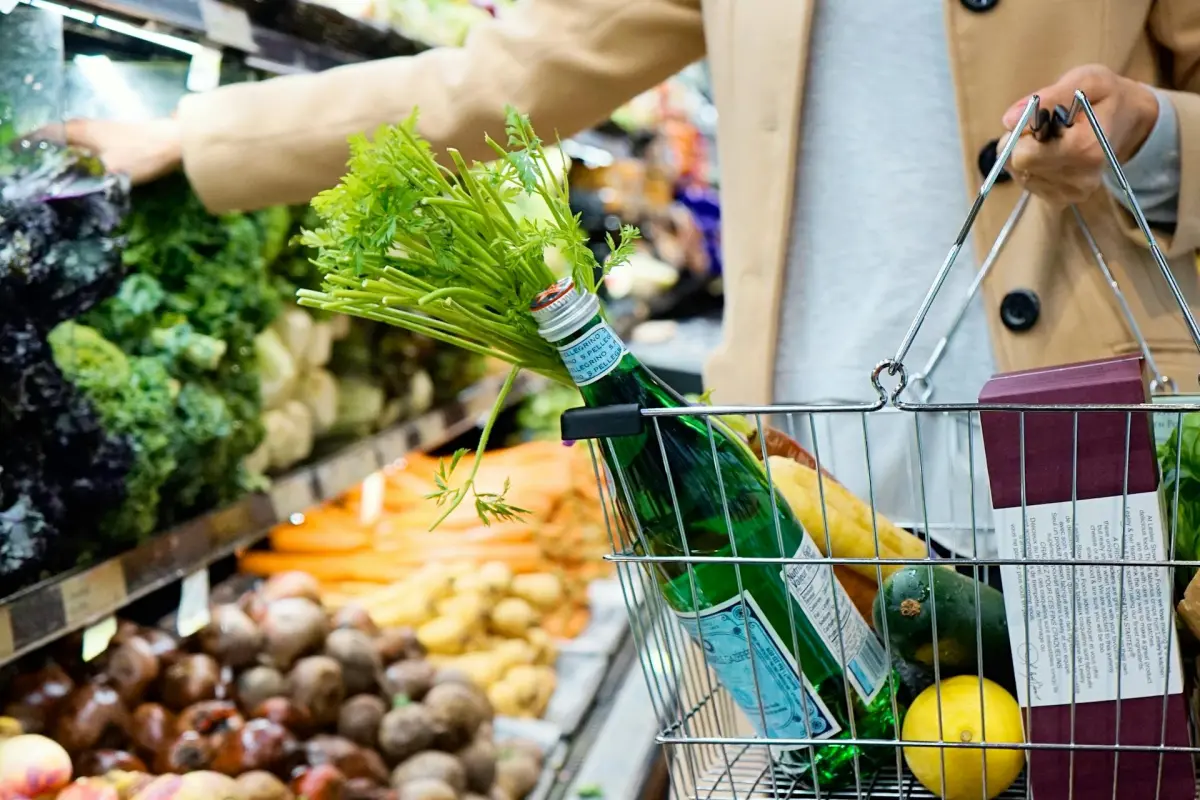
Food is one of those costs that creeps up on you. You're not buying a car or a holiday - you're buying bread and pasta and the occasional treat - but by the end of the month, the total somehow looks enormous. Sound familiar?
The good news is that food spending is one of the most malleable parts of your budget. You don't have to eat worse or spend hours clipping coupons. You just need a few smarter habits. Here are ten of the most effective ones.
1. Plan Your Meals Before You Shop
This is the single biggest lever most people have on their food bill, and the most consistently underused one.
When you shop without a plan, you make decisions in the moment - which usually means buying more than you need, forgetting things you already have, and ending up with a fridge full of ingredients that don't quite work together. Then half of it gets thrown away.
Spend ten minutes before your weekly shop mapping out what you're actually going to eat. Write a list that matches your meals. Then stick to it. Research consistently shows that meal planning reduces food waste and overall spend - and the effect is more significant than most people expect.
It doesn't have to be rigid. A loose plan ("pasta Monday, something with chicken mid-week, leftovers Friday") is infinitely better than no plan at all.
2. Switch to Own-Brand Strategically - Not Across the Board
Own-brand products are typically 20–40% cheaper than branded equivalents, but the quality gap varies enormously depending on what you're buying.
The categories where supermarket own-brand is essentially identical to the branded version: tinned tomatoes, dried pasta, rice, flour, sugar, frozen vegetables, cooking oil, butter, and most basic condiments. Make the switch here and you'll barely notice.
The categories where branded products are sometimes worth the premium: cereal (flavour and texture vary), coffee (if you're particular about it), and certain snacks where you genuinely prefer the specific product. Keep these if they bring you real enjoyment - the goal is smarter spending, not joyless spending.
3. Shop the Yellow Sticker Section
Most major supermarkets reduce perishable items - usually in the evenings - when they're approaching their use-by date. These are marked with yellow stickers and can be reduced by anywhere from 25% to 75%.
If you can eat them within a day or two (or freeze them that evening), this is one of the best value opportunities in any supermarket. Meat, fish, bread, and prepared meals are the most common categories. Ask a member of staff what time reductions typically happen at your local store - it varies by branch.
4. Use Cashback Apps Alongside Your Shop
Apps like Shopmium, Checkoutsmart, and the cashback sections within loyalty apps offer money back on specific branded products. You buy the product, scan your receipt, and the cashback lands in your account.
Individually, the amounts are small - often 50p or £1 per item. But if you're buying products you'd buy anyway, there's no reason not to claim the cashback. Over the course of a month it adds up.
Pair this with a voucher code if you're shopping online. Our Groceries section on Top Voucher Codes lists any active codes for online supermarket orders - it's worth a quick check before you head to checkout.
5. Actually Use Your Loyalty Card
This sounds like obvious advice, but a surprising number of people collect loyalty points without ever redeeming them, or forget to use their card consistently enough to accumulate anything meaningful.
Tesco Clubcard and Sainsbury's Nectar points can be redeemed for money off your shop. Tesco Clubcard Prices offer meaningful discounts on hundreds of products - if you shop at Tesco regularly, not having a Clubcard is essentially leaving money on the table.
Boots Advantage Card is worth mentioning too, even though it's not a supermarket: if you buy toiletries and healthcare products as part of your regular shopping, collecting Advantage points and using them during triple point events can save you a significant amount annually.
6. Try a Meal Kit Service on a First-Order Offer
Meal kit services like Hello Fresh, Gousto, Mindful Chef, and Pasta Evangelists all compete aggressively for new customers, which means their first-order discounts are genuinely substantial - often 50–60% off your first box, sometimes more.
If you've never tried one, May is a great time to experiment. You get the benefit of a heavily discounted trial, fresh ingredients with no food waste (everything is portioned precisely), and a break from having to plan what to cook that week.
We keep the best current first-order codes for meal kit services in our Meal Kits & Delivery section. These codes change regularly, so it's worth checking what's available before you sign up.
One tip: set a calendar reminder to cancel or pause before your second box if you only want the trial. The discounted rate typically only applies to the first delivery.
7. Batch Cook and Use Your Freezer Properly
Batch cooking is one of those habits that sounds more effort than it is. The reality is that cooking a double portion of a meal takes barely any extra time, and having a freezer stocked with ready-to-go portions means fewer expensive last-minute decisions on tired evenings.
The meals that work best for batch cooking and freezing: chilli, bolognese, curries, soups, stews, and casseroles. All of these reheat brilliantly, and a big batch costs a fraction of the equivalent ready meal or takeaway.
If you're not already using your freezer to its full potential - including freezing bread before it goes stale, and freezing meat on or just before its use-by date - start now.
8. Compare Delivery vs Click & Collect
If you do your supermarket shopping online, it's worth occasionally checking whether click & collect is cheaper than home delivery. Many supermarkets charge a delivery fee that varies depending on the time slot - during busy periods, this can be £4–£6 or more.
Click & collect slots are often free, or significantly cheaper. If you can pick up your shop on the way home from work or during an errand, it's an easy saving.
9. Check for NHS, Blue Light, and Student Discounts on Food
This one is underused because people don't realise how far these discounts reach. NHS and Blue Light Card discounts aren't just for big-ticket retailers - some food delivery services, meal kit companies, and grocery brands offer them too.
If you're a student, check whether your university's student union has any deals with local food suppliers or supermarkets. And don't overlook student discounts on restaurant and takeaway apps - several platforms offer ongoing discounts for verified students.
10. Search for a Voucher Code Before Every Online Food Order
Whether you're doing your weekly grocery shop, ordering a takeaway, or trying a new food delivery service, make it a habit to spend 30 seconds searching for a discount code before you confirm your order.
It won't always yield a result - but when it does, that 30 seconds could save you £5, £10, or more. Over a year of weekly shops and the occasional takeaway, that adds up to a meaningful amount.
At Top Voucher Codes, we keep our Food & Drink section updated with codes for grocery retailers, takeaway apps, restaurants, and meal kit services. It's the first place we'd point you before any online food order.